Rivi3D × Rivinnov
From the Rivinnov design office to the printed part: industrial design, product engineering and additive manufacturing
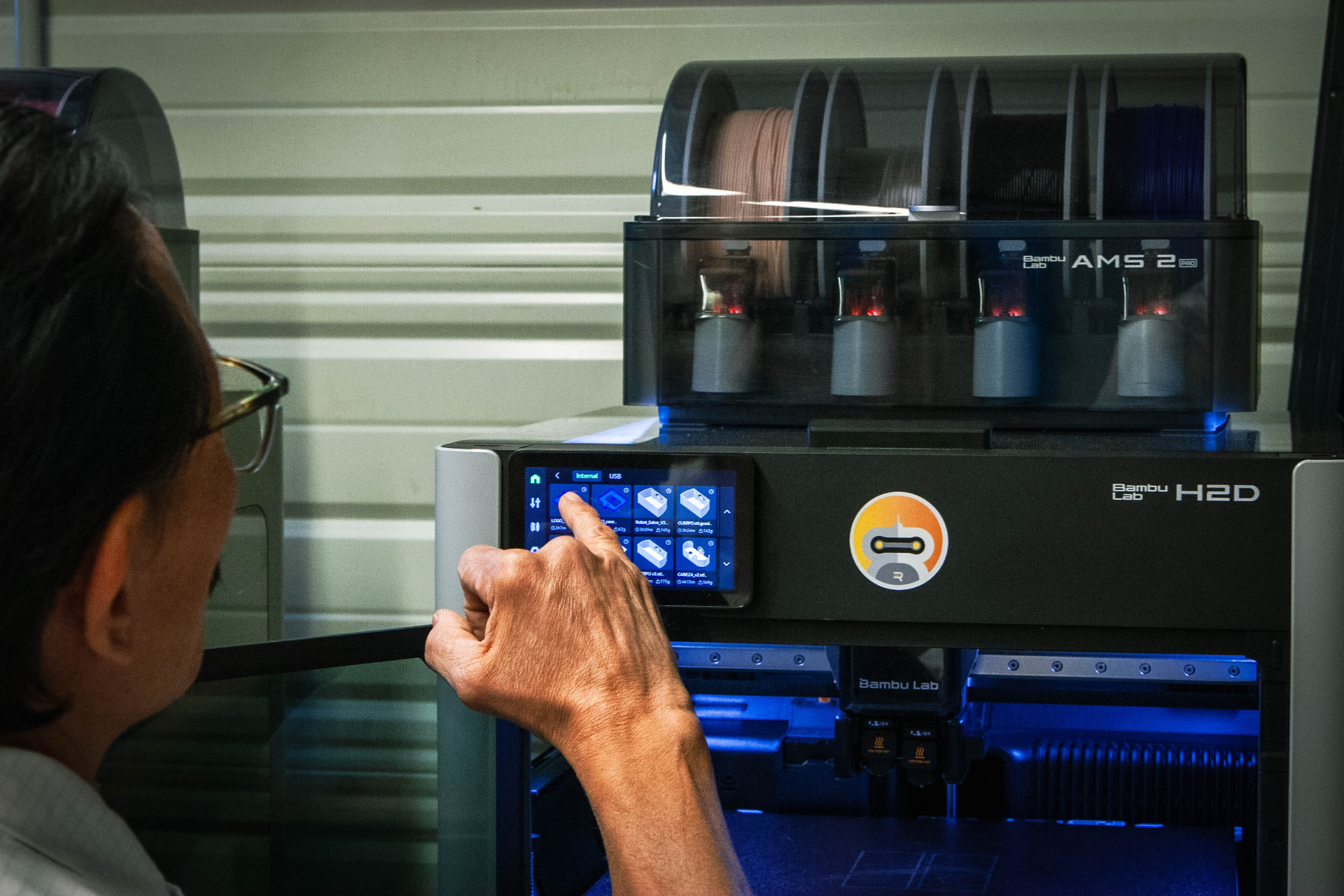
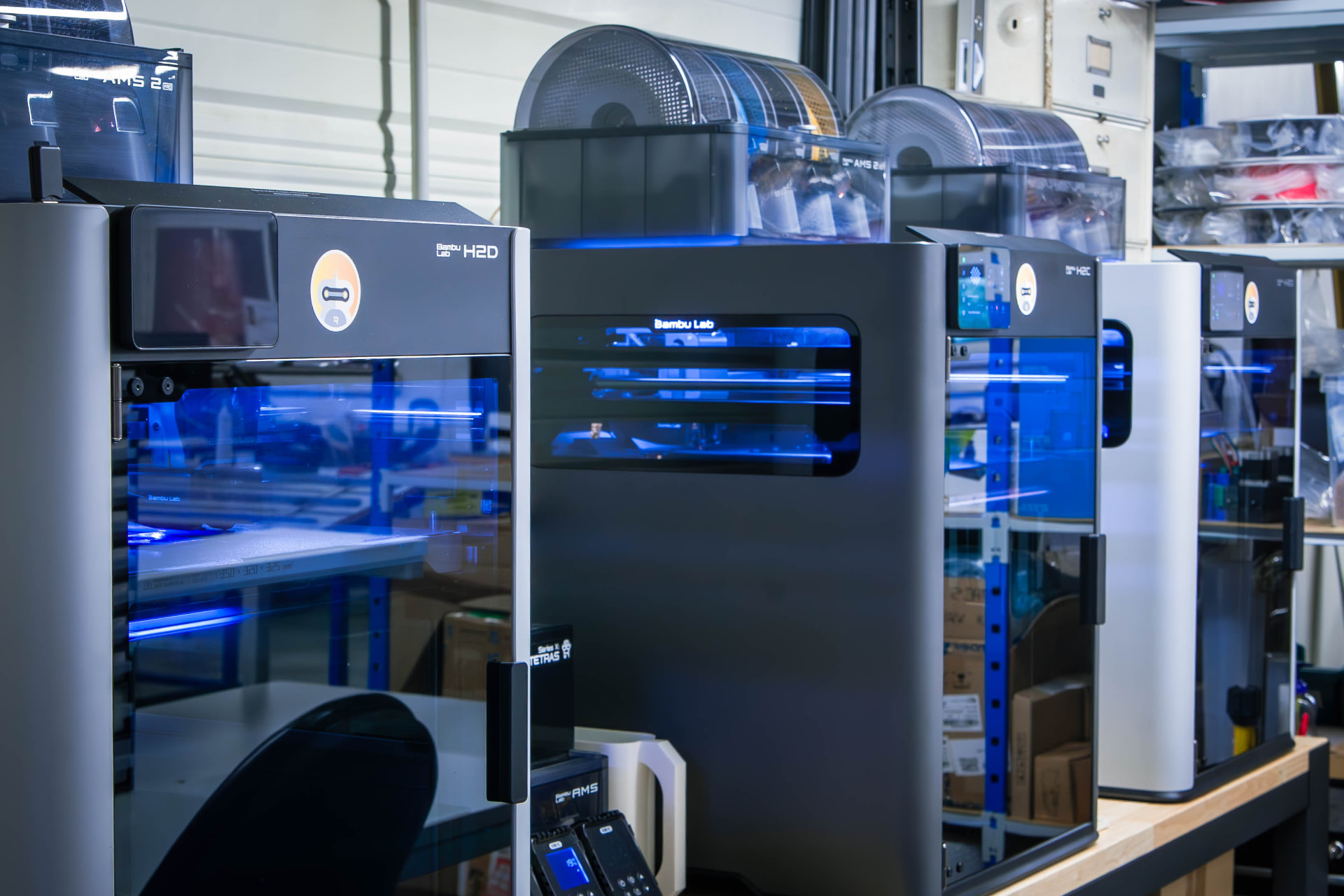
Rivi3D is Rivinnov's industrial design, product engineering and additive manufacturing brand and workshop. It extends the design office's work through to the physical object, with no break between electronics, mechanics and use.
 One team · from system to object
Why Rivi3D
Creating, testing and correcting in the same place
Rivinnov develops electronic products and embedded systems. Rivi3D was created to bring industrial design, mechanics and prototyping in earlier: checking how something feels in the hand, adjusting a fixing, freeing up a connector or correcting ventilation before these choices become costly.
The team
Industrial designers, mechanical engineers, product engineers and prototyping technicians
- 01
Industrial designers
Use, ergonomics, volumes, interfaces and product identity.
- 02
Mechanical engineers
Mechanical architecture, assemblies, stresses, tolerances and manufacturing choices.
- 03
Product engineers
Trade-offs between function, cost, material, process and industrial trajectory.
- 04
Prototyping & integration technicians
Manufacturing, assembly, systems integration and practical feedback into the design.
Built for what comes next
A prototype that already prepares the industrial product
3D printing speeds up learning, but it isn't always the final process. When a product is set to move to moulding or injection, the geometry anticipates draft angles, wall thickness, radii, parting lines, fixings and assembly logic.
- 01
Need & architecture
- 02
Industrial design
- 03
CAD & integration
- 04
Prototype & testing
- 05
Corrections
- 06
Production preparation
Electronic products
The enclosure is part of the system
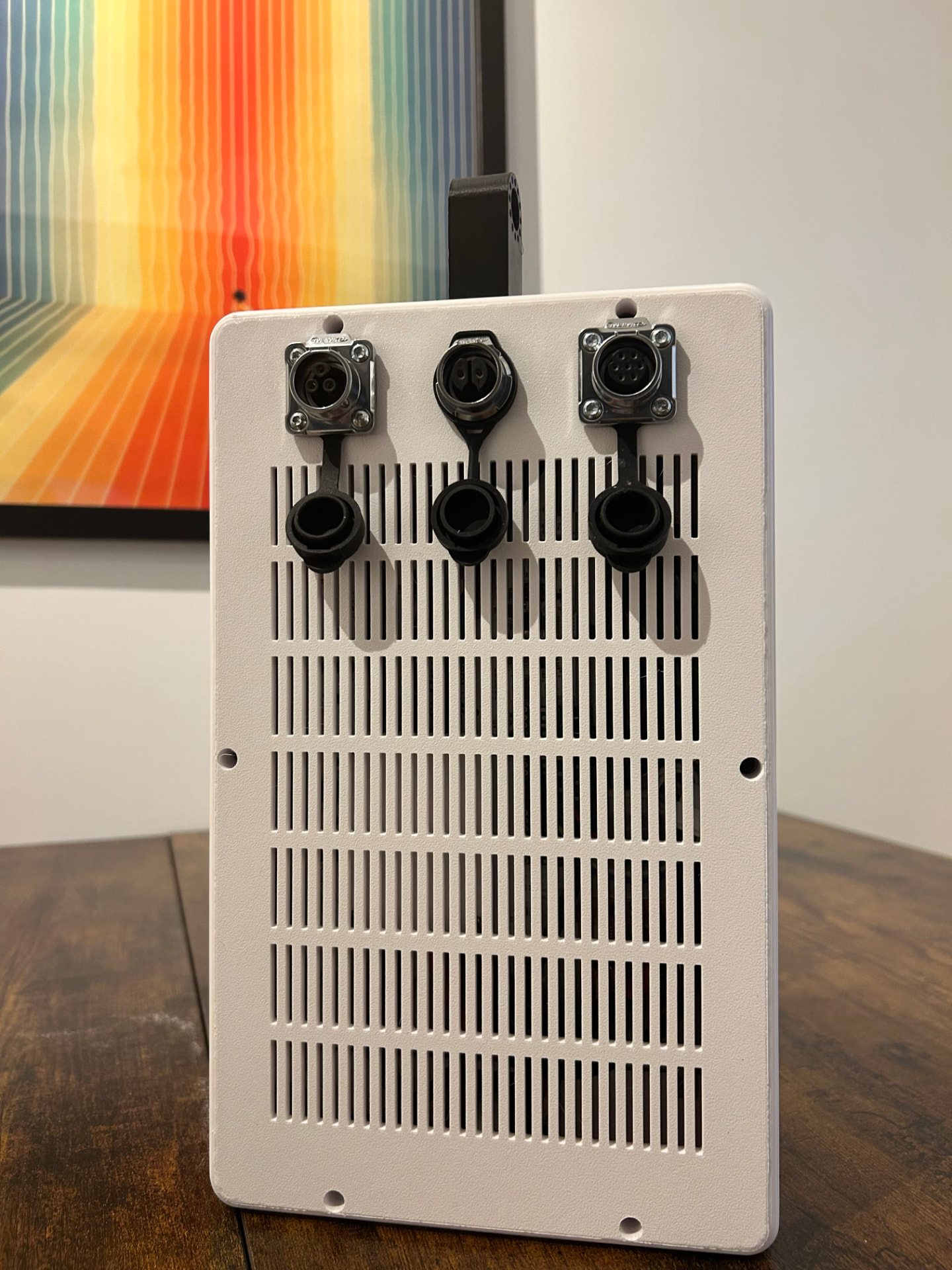
Around a board, we integrate connectors, buttons, screens, sensors, cable routing and maintenance access. Seals, interfaces, airflow, heat dissipation and temperature exposure are studied together, then tested against the project's real-world conditions.
Sealing, temperature and strength criteria are specified and verified on a project-by-project basis. They do not constitute a certification without corresponding testing.